Are you an artist?
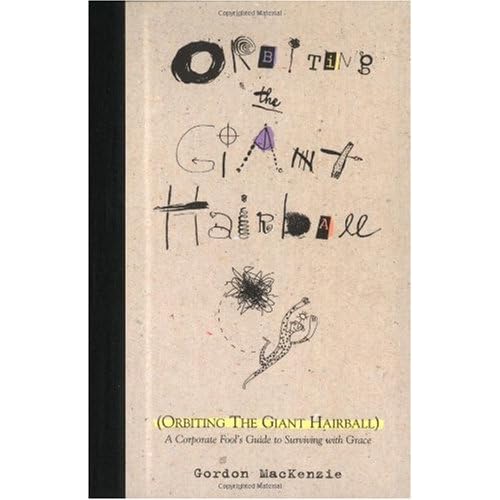
Hallmark artist and author Gordon Mackenzie asked that question of children in elementary schools when he visited to demonstrate his art of sculpture. In every school, the first graders all jumped up and enthusiastically proclaimed themselves to be artists. By the second grade, that number was down to about half. By the sixth grade, no more than one or two students per class was willing to admit to being an artist. What happened between the first and sixth grades?
What about you? Are you an artist?
If not, why not?
The Wiktionary defines an artist as “a person who creates art” or “a person who is skilled at some activity.” I hope that each of you are skilled in some activity and growing more skilled every day.
The proverb declares that “If a job is worth doing, it is worth doing well.”
My mission is to encourage each of you to embrace your inner artist! Whatever you do, approach it as an artist and do it with skill and passion.
asked that question of children in elementary schools when he visited to demonstrate his art of sculpture. In every school, the first graders all jumped up and enthusiastically proclaimed themselves to be artists. By the second grade, that number was down to about half. By the sixth grade, no more than one or two students per class was willing to admit to being an artist. What happened between the first and sixth grades?What about you? Are you an artist?
If not, why not?
The Wiktionary defines an artist as “a person who creates art” or “a person who is skilled at some activity.” I hope that each of you are skilled in some activity and growing more skilled every day.
The proverb declares that “If a job is worth doing, it is worth doing well.”
My mission is to encourage each of you to embrace your inner artist! Whatever you do, approach it as an artist and do it with skill and passion.
 |
http://www.coolest-birthday-cakes.com/coolest-artist-palette-birthday-cake-7.html


 or a
or a  and the wisdom of a Zen master, MacKenzie is as entertaining as he is insightful. Orbiting the Giant Hairball is essential reading for anyone working within or leading in a corporate environment.